Choosing travel activities involves balancing several parameters: the type of experience sought, the format of the stay (couple, family, solo), and the nature of the territory visited. Rather than listing dozens of generic suggestions, this article compares the major categories of travel activities based on their accessibility, relative cost, and ability to create lasting memories.
Slow and Territorial Travel Activities: Why They Are Gaining Ground
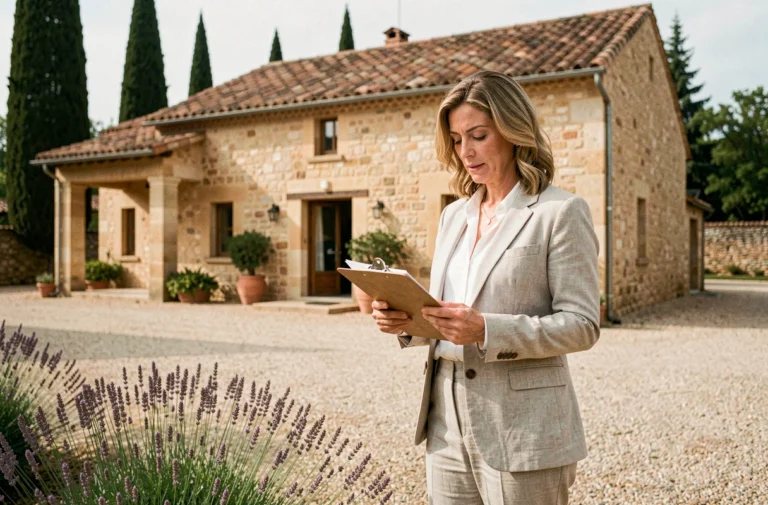
Since the pandemic, tourism practices in France and Europe have shifted. Studies on regional tourism document a growing preference for authenticity and connection with local territories: local markets, marked hiking trails, regional cuisine prepared by locals. This trend is not limited to experienced travelers.
Tourist offices play a direct role in this evolution. The Tourism Code (art. L.133-3) allows them to be mandated to design and implement locally rooted activity offers. In practical terms, this translates into heritage discovery circuits, craft workshops, or nature trails guided by local professionals.
By exploring activities on A Fabulous Trip, one can gauge the diversity of experiences available by destination, from cultural visits to nature outings and local gastronomy.
What distinguishes these rural and slow activities from classic excursions is their relationship with time. A half-day spent identifying edible plants with a local guide does not produce the same type of memory as a quick visit to a monument. The pace changes, and with it, the perception of travel.
Comparison of Travel Activity Categories: Accessibility, Cost, and Memorability
Travel activities can be divided into major families. Each presents distinct characteristics depending on the traveler’s profile and the chosen destination.
| Activity Category | Family Accessibility | Relative Cost | Memorability Potential | Examples |
|---|---|---|---|---|
| Cultural Visits (museums, heritage) | High | Moderate | Medium to High | Museums, monuments, historic districts |
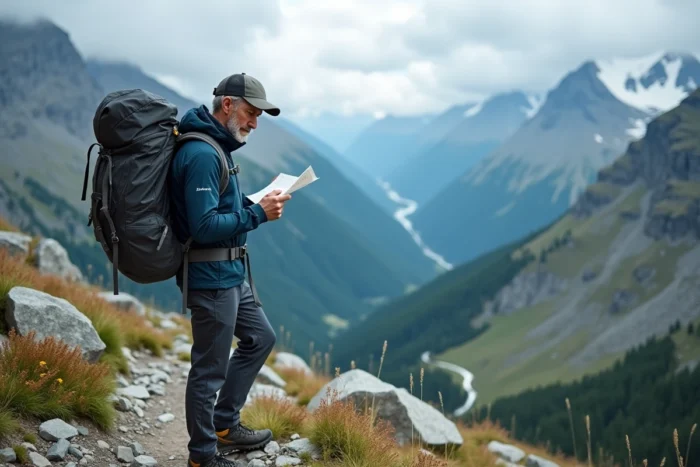
| Nature Activities and Hiking | High | Low | High | Marked trails, natural parks, wildlife observation |
| Immersive and Educational Experiences | Medium | Moderate to High | Very High | Scientific stays, local workshops, environmental projects |
| Adventure and Sports | Low to Medium | High | Very High | Diving, skydiving, climbing |
| Gastronomy and Local Products | High | Variable | High | Cooking classes, markets, tastings |
The table highlights a notable gap. Nature activities show the best cost/memorability ratio, while immersive and educational experiences achieve the highest memorability score, at the cost of a higher financial and logistical investment.
In contrast, classic cultural visits, while accessible, produce a more variable memory. Their impact heavily depends on the quality of on-site mediation.
Educational and Immersive Travel: A Segment Still Under-Documented
The content available online treats travel activities as leisure or attractions to check off. However, one segment remains underrepresented: structured educational trips that combine travel and on-site learning.
Specialized organizations now offer stays where the main activity is neither relaxation nor entertainment, but active participation in a project. Biodiversity observation, contribution to conservation programs, and immersive language experiences in real contexts: these formats transform the traveler into an active participant in their experience.
This type of activity is particularly suitable for family trips with school-aged children or couples seeking a stay with high intellectual value. The cost is generally higher than a standard excursion, but the duration of engagement (often several days) justifies the investment due to the depth of the experience.
- Scientific stays with field observation guided by researchers or professional naturalists
- Local craft workshops (pottery, weaving, traditional cooking) integrated into a territory discovery journey
- Participation in environmental projects: trail restoration, species monitoring, maintenance of natural sites
These formats are largely absent from most general booking platforms, which favor fast-paced activities (two-hour guided tours, entry tickets). To find them, one must go through specialized networks or directly through local tourist offices.
Choosing Activities Based on Travel Format: Couple, Family, or Solo
The format of the stay radically alters the choice of relevant activities. A couple on a weekend in a European city is not looking for the same things as a family of four on summer vacation in the south of France.
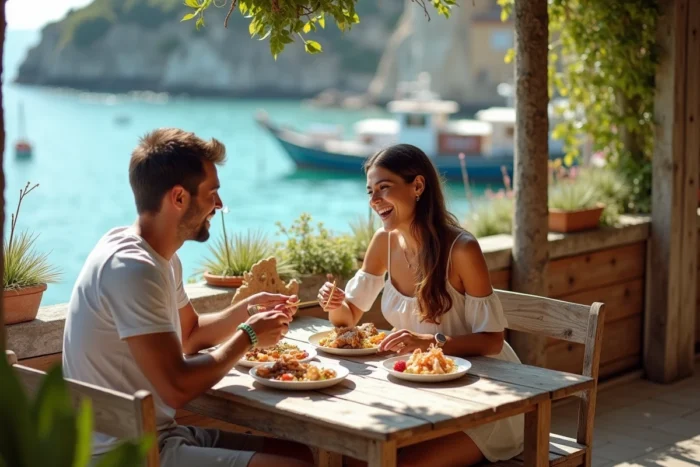
For a couple’s trip, gastronomic experiences and visits to less crowded sites generate more satisfaction than high-traffic attractions. The quality of the moment takes precedence over the quantity of activities.
For families, accessibility becomes the dominant criterion. Natural parks, outdoor activities, and participatory workshops work better than long indoor visits. A child is likely to remember a kayaking outing more than a museum room, no matter how remarkable it is.
- Couple: prioritize tastings, walking tours in authentic neighborhoods, activities to book in small groups
- Family: focus on natural parks, hands-on workshops, water activities accessible from a young age
- Solo: take advantage of flexibility to join local groups, hike off-season, or participate in themed stays
The solo traveler has a logistical advantage often underestimated: the ability to modify their schedule in real-time based on weather, encounters, or local recommendations. This flexibility makes spontaneous experiences accessible that are impossible to plan in a group.
The choice of travel activities is not just a list of attractions by destination. It is a balancing act between available time, budget, participant profiles, and the nature of the territory. Activities that leave the most lasting impression are rarely those that top search results: they are found on the ground, often just a few kilometers from the routes marked by booking platforms.